
Strandkaien
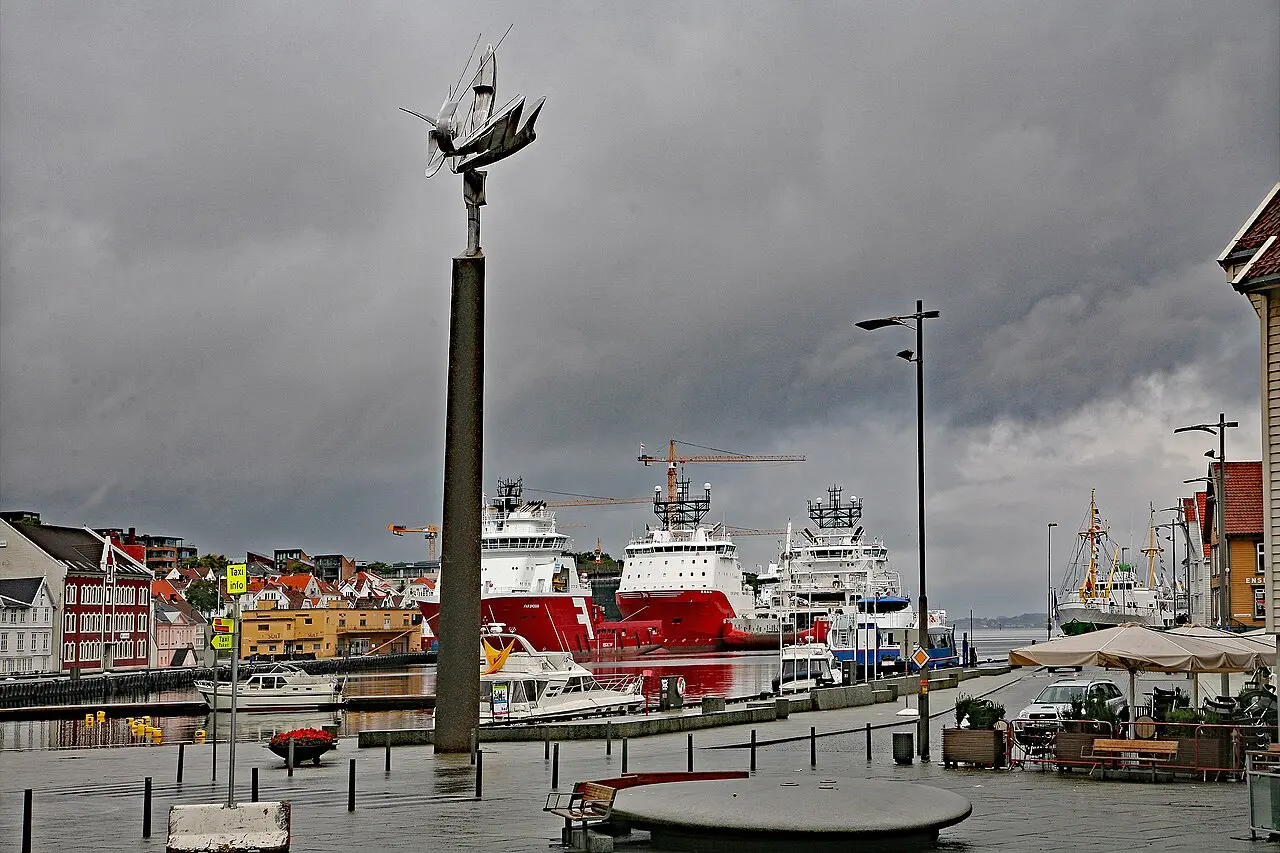
Main cruise quay on the west side of Vagen, with the best infrastructure and no ship-length limit; berth 16W is 309 m long.
Not on the map yet
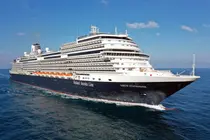
No cruise ships are scheduled in Stavanger today, Friday 13 November 2026. The next is ms Nieuw Statendam on Thursday 19 November. Over the next 12 months, 201 calls bring about 644,000 passengers; the busiest day is Thursday 15 July 2027, with 2 ships.
Next 10 calls · all times local (Central European Time)
Showing 10 of the next 50 calls
Today and the next 7 days · all times local (Central European Time)
Thousands of people in port, guests plus crew. Crowd level compared with a typical Stavanger day.
The crowd calendar shows every ship and how busy the port is, hour by hour, plus the quietest and busiest days for the next 90 days.
0–1 km · 3–10 min by car
The city centre is on foot from the quay. It is 160 m (about 3 minutes) to Gamle Stavanger and 0.8 km (about 10 minutes) around Vagen to the Petroleum Museum.
Typical prices, approximate. Fares change with demand, traffic and time of day.
Typical prices, approximate. Fares change with demand, traffic and time of day.
Stavanger station is about a 10-minute walk (0.7 km) from Strandkaien. Calls at the central quays are capped at 7 per week from 2024.
2 terminals
Main cruise quay on the west side of Vagen, with the best infrastructure and no ship-length limit; berth 16W is 309 m long.
Quay on the east side of Vagen, used occasionally by smaller cruise ships (from 2024, generally 124–230 m long).
Pick the area first. Typical nightly prices, approximate.
Walk to the cruise quay.
Pre- or post-cruise nights within walking distance of Strandkaien and the old town.
Early flights and beach.
Early departures from SVG; next to Sola beach.
Stavanger is mainly a port of call; overnight stays are optional.
Seafood shop and restaurant on the harbour, a couple of minutes' walk from the cruise berth.
Pedestrian street of brightly painted houses with cafes and bars, a short walk across Vagen.
Harbourside row of restaurants and cafes lining both sides of Vagen near the berths.
Stavanger is Norway's third-largest city and the administrative centre of Rogaland county, on the Stavanger Peninsula in the south-west of the country. Its compact centre wraps around Vagen, the old harbour inlet, and is known for protected 18th- and 19th-century wooden houses, especially in Gamle Stavanger on the harbour's west side. Stavanger Cathedral, completed around 1125, marks the city's traditional founding date.
Since North Sea oil was discovered in 1969 the city has been Norway's oil capital, a story told at the Norwegian Petroleum Museum on the waterfront. It is also the gateway to Lysefjord and the Preikestolen (Pulpit Rock) cliff, 604 m above the fjord, and it hosts the Gladmat food festival. Stavanger is one of Norway's busiest cruise calls, and ships berth right in the city centre.
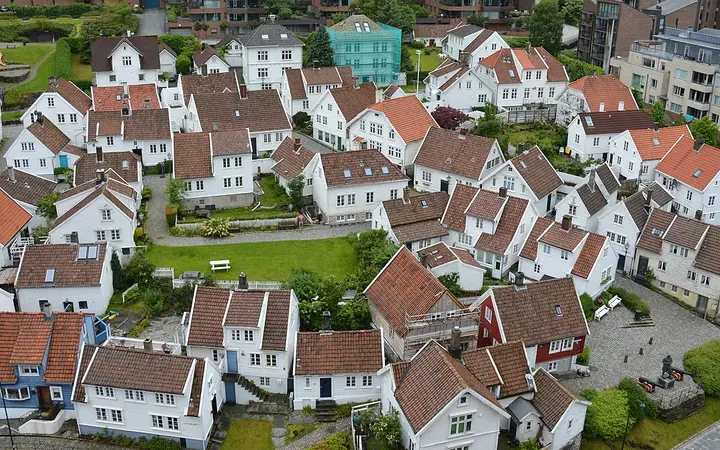
About 170 protected white wooden houses, mostly from the late 18th and early 19th centuries, on cobbled lanes right beside the cruise quay.
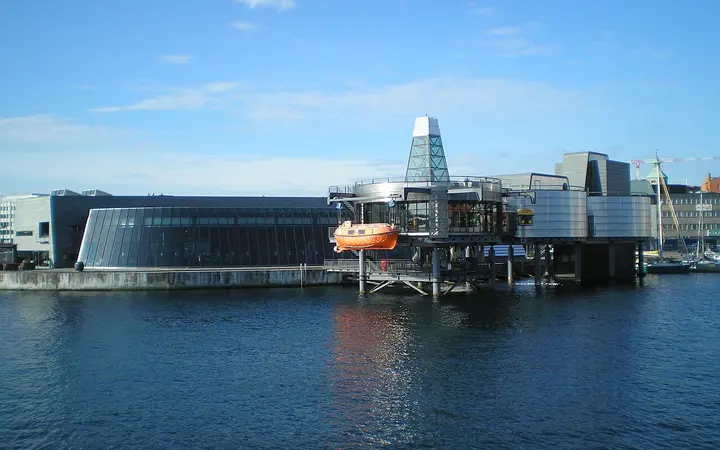
Waterfront museum (Norsk Oljemuseum) on Norway's North Sea oil industry,, about 10 minutes' walk from the quay; adult entry NOK 180.
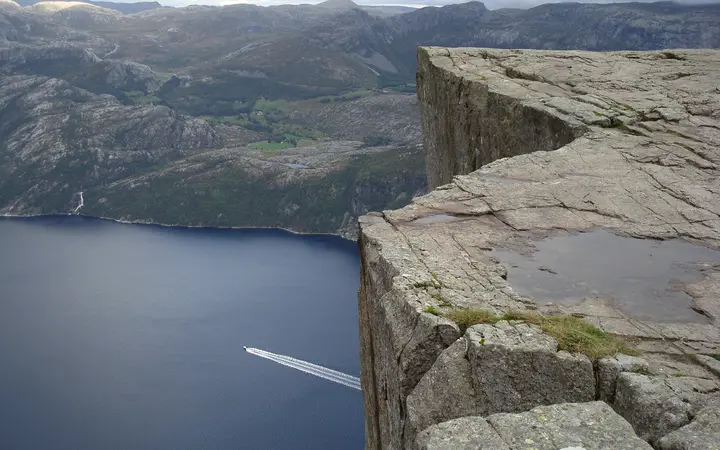
A 3–3.5 hour sightseeing boat trip from Strandkaien to Lysefjord, passing under the Lysefjord Bridge to view Preikestolen, Hengjanefossen waterfall and the Fantahala cave; adults NOK 890.

Hike to the flat-topped cliff 604 m above Lysefjord, about 4–5 hours round trip from the trailhead, which is around 45 minutes' drive away; only realistic on a long call or a ship excursion.