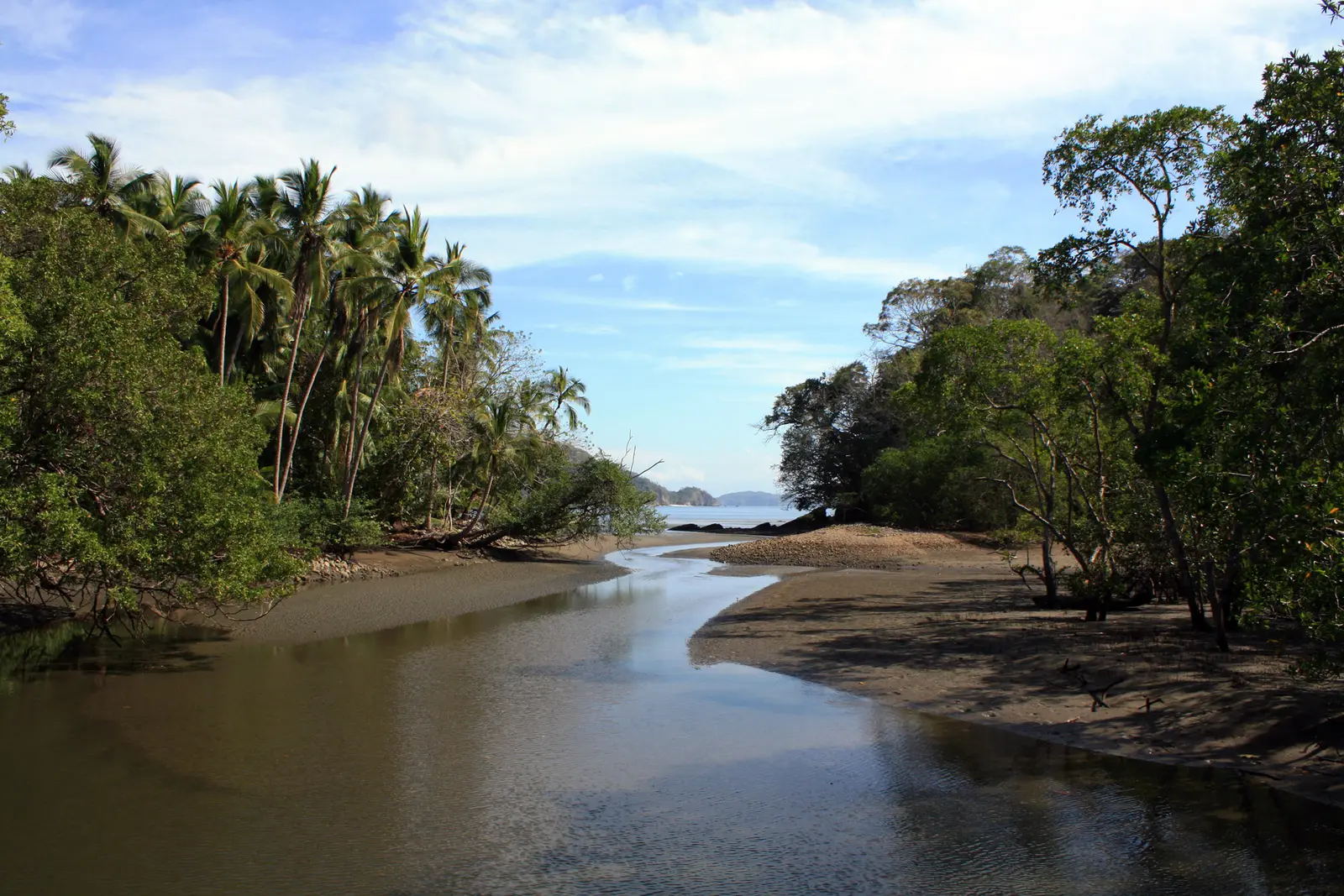
Curu Wildlife Reserve, Costa Rica
No cruise ships are scheduled in Curu Wildlife Reserve today, Thursday 12 November 2026. The next is Le Bellot on Monday 30 November. Over the next 12 months, 12 calls bring about 2,300 passengers.
Ship schedule
Next 10 calls · all times local (Central Standard Time)


Showing 10 of the next 24 calls
Cruise Ships in Curu Wildlife Reserve
Today and the next 7 days · all times local (Central Standard Time)
Next 7 days
- Thu12 Nov–No ships0 ships
- Fri13 Nov–No ships0 ships
- Sat14 Nov–No ships0 ships
- Sun15 Nov–No ships0 ships
- Mon16 Nov–No ships0 ships
- Tue17 Nov–No ships0 ships
- Wed18 Nov–No ships0 ships
Thousands of people in port, guests plus crew. Crowd level compared with a typical Curu Wildlife Reserve day.
Planning a day in Curu Wildlife Reserve?
The crowd calendar shows every ship and how busy the port is, hour by hour, plus the quietest and busiest days for the next 90 days.
Getting to the Curu Wildlife Reserve cruise port
Paquera → Curu Wildlife Refuge
8 km · 15–20 min by car
From Paquera town to Curú Wildlife Refuge is about 7.9 km and about 15 minutes by car (Google Maps driving). Cruise passengers normally arrive by ship and go ashore at the refuge rather than driving from Paquera; this route is land-access context only, not a guaranteed ship route.
Typical prices, approximate. Fares change with demand, traffic and time of day.
Typical prices, approximate. Fares change with demand, traffic and time of day.
Driving to the port
Cruise calls are ship-to-shore at the refuge; Paquera road access is for independent land visitors.
About Curu Wildlife Reserve
Curu Wildlife Reserve (Refugio de Vida Silvestre Curú) is a privately managed national wildlife refuge on the southeastern Nicoya Peninsula in Paquera, Puntarenas, Costa Rica, facing the Gulf of Nicoya. Costa Rica’s first private wildlife refuge of its kind, it mixes tropical dry and moist forest, mangroves and short pocket beaches in a compact area of roughly 12 square kilometers.
Visitors come for easy wildlife viewing — white-faced capuchins, howler monkeys, birds and other mammals — along marked trails. Small-ship expedition lines schedule Curú as a nature shore call, often paired with nearby Isla Tortuga waters. How guests go ashore on a given sailing is not stated on first-party Curú place pages reviewed for this guide — check the ship schedule and your line’s landing plan.
- Climate
- Pacífico Norte climate (Instituto Meteorológico Nacional): a dry season roughly December–March with trade (Alisio) winds; April transitional; rains establishing in May. First rainy period about May–August (June often a rainfall peak), interrupted by the Pacific veranillo/canícula in July–August when Alisios strengthen; second rainy period about September–November (September–October typically wettest), with November transitional toward the dry season. IMN describes the Nicoya peninsular zone as relatively dry/warm Pacífico Norte. Qualitative regional wording only; no Curú station normals or public climate-normals years. IMN Paquera automatic station (same canton) figures are not used as Curú-local climate.
- Time zone
- Central Standard Time
- Currency
- Costa Rican Colon (CRC)