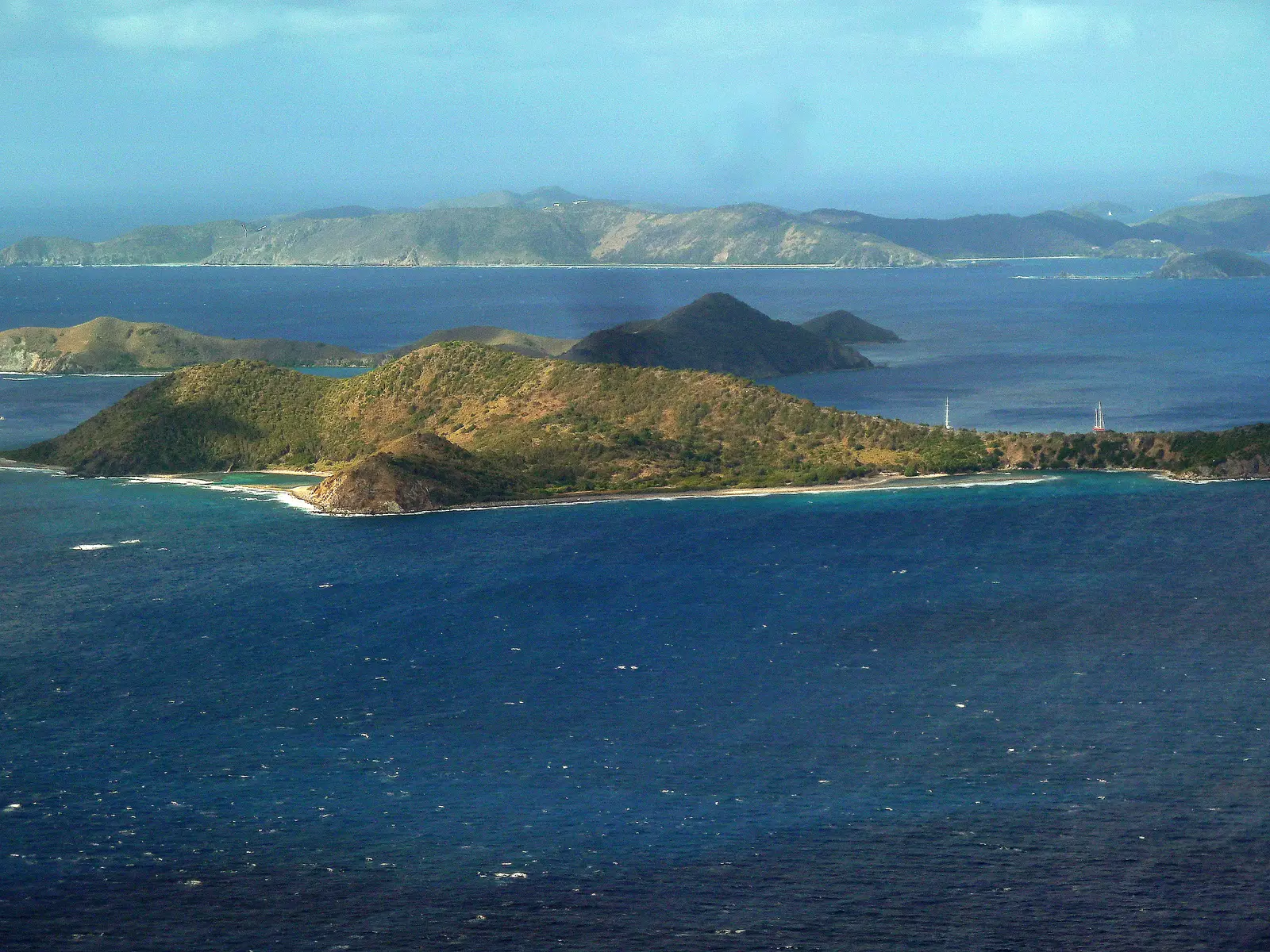
Cooper Island, British Virgin Islands
No cruise ships are scheduled in Cooper Island today, Tuesday 17 November 2026. The next is Le Ponant on Tuesday 22 December. Over the next 12 months, 4 calls bring about 128 passengers.
Ship schedule
Next 8 calls · all times local (Atlantic Standard Time)

Showing all 8 upcoming calls
Cruise Ships in Cooper Island
Today and the next 7 days · all times local (Atlantic Standard Time)
Next 7 days
- Tue17 Nov–No ships0 ships
- Wed18 Nov–No ships0 ships
- Thu19 Nov–No ships0 ships
- Fri20 Nov–No ships0 ships
- Sat21 Nov–No ships0 ships
- Sun22 Nov–No ships0 ships
- Mon23 Nov–No ships0 ships
Thousands of people in port, guests plus crew. Crowd level compared with a typical Cooper Island day.
Planning a day in Cooper Island?
The crowd calendar shows every ship and how busy the port is, hour by hour, plus the quietest and busiest days for the next 90 days.
Getting to the Cooper Island cruise port
Driving to the port
Boat-only island: no public ferry and no road network on Cooper Island.
Eating in Cooper Island
Where to eat
Cooper Island Beach Club, Manchioneel Bay
Beachfront restaurant, coffee shop, rum bar and microbrewery at the island's main visitor hub; open seasonally per the club.
About Cooper Island
Cooper Island is a small, largely private volcanic island in the British Virgin Islands on the south side of Sir Francis Drake Channel, roughly five miles from the southeastern shore of Tortola. BVI Tourism notes a handful of private residences and a beachfront resort.
The visitor hub is Manchioneel Bay on the northwest shore, home to Cooper Island Beach Club — an off-grid eco resort with a beach restaurant, rum bar, coffee shop, boutique and limited beachfront rooms. Charter yachts and day boats use the bay's moorings; there is no public ferry or road network. Cruise passengers encounter it as a British Virgin Islands sailing call rather than a built harbour town.
- Climate
- The British Virgin Islands average about 1150 mm of rain a year, with a wet season from May to November and the heaviest months typically September to November.
- Time zone
- Atlantic Standard Time
- Currency
- US Dollar (USD)