Basse-Terre, Guadeloupe
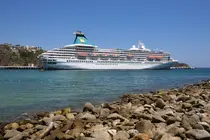
No cruise ships are scheduled in Basse-Terre today, Thursday 19 November 2026. The next is Artania on Sunday 3 January 2027. Over the next 12 months, 1 call brings about 1,200 passengers.
Cruise Ships in Basse-Terre
Today and the next 7 days · all times local (Atlantic Standard Time)
Next 7 days
- Thu19 Nov–No ships0 ships
- Fri20 Nov–No ships0 ships
- Sat21 Nov–No ships0 ships
- Sun22 Nov–No ships0 ships
- Mon23 Nov–No ships0 ships
- Tue24 Nov–No ships0 ships
- Wed25 Nov–No ships0 ships
Thousands of people in port, guests plus crew. Crowd level compared with a typical Basse-Terre day.
Planning a day in Basse-Terre?
The crowd calendar shows every ship and how busy the port is, hour by hour, plus the quietest and busiest days for the next 90 days.
Getting to the Basse-Terre cruise port
Cathedral of Notre-Dame-de-Guadeloupe → Port of Basse-Terre cruise quay
0.5 km · ~5 min by car
The cathedral stands in the town centre, just south-east of the port. A walk of about 500 m, around 5 minutes.
Typical prices, approximate. Fares change with demand, traffic and time of day.
Typical prices, approximate. Fares change with demand, traffic and time of day.
Driving to the port
The quay is next to the town centre, so the cathedral, the market and Fort Delgres are all within walking distance. La Soufriere and the national park need a taxi, a hire car or a ship tour.
Eating in Basse-Terre
Prices are in euros. Creole dishes on local menus include accras, fish court-bouillon and fricassee of ouassous, freshwater prawns.
Where to eat
Town centre
Bistros and Creole restaurants cluster in the streets behind the waterfront, such as Rue Lardenoy.
Ferry quay waterfront
Traditional Creole restaurants face the ferry quay for the islands, some with open sea-view terraces.
About Basse-Terre
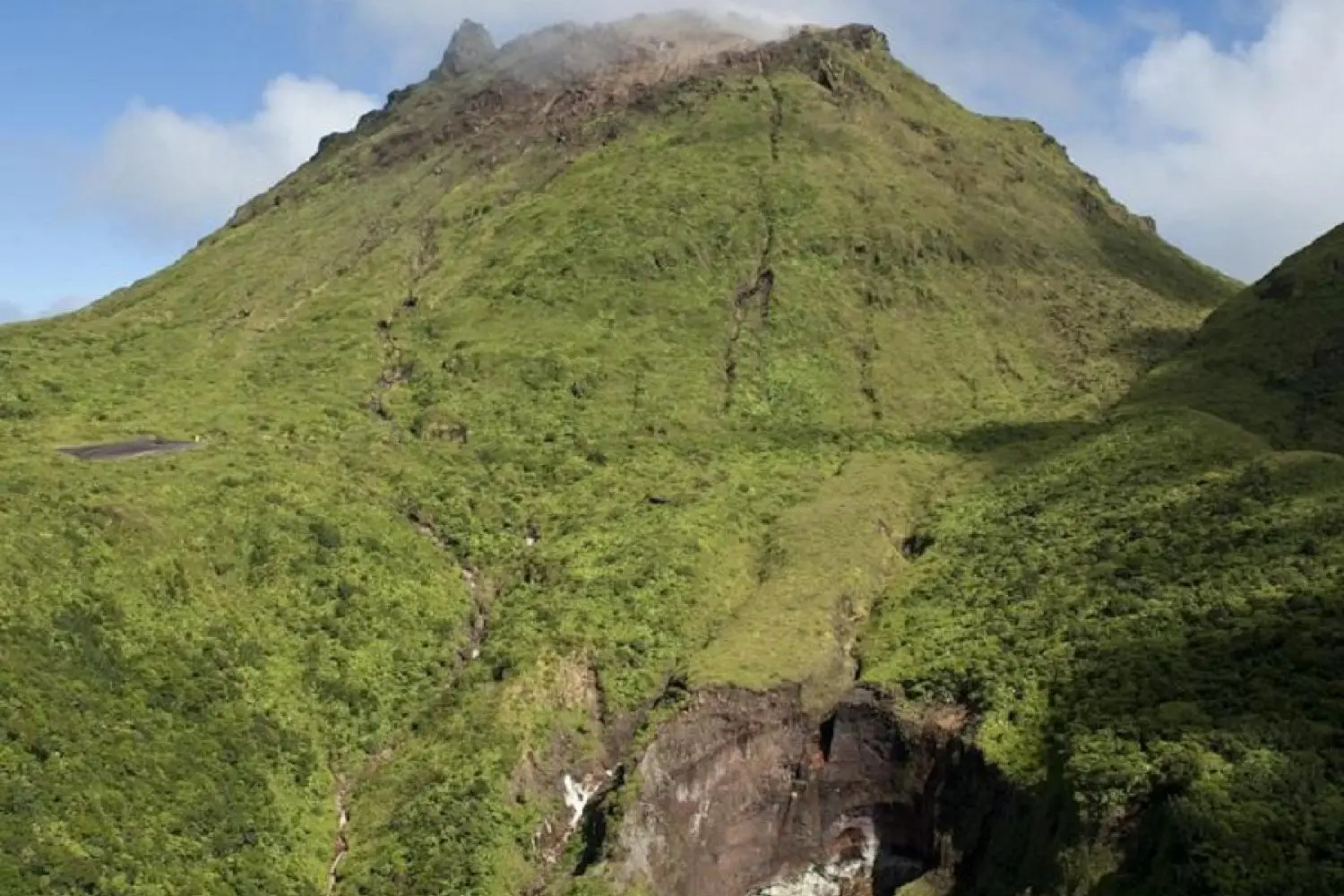
Basse-Terre is the administrative capital of Guadeloupe, a quiet town on the leeward west coast of Basse-Terre island, set at the foot of La Soufriere, which at about 1,467 m is one of the highest peaks in the Lesser Antilles.
The town holds the Ville d'Art et d'Histoire label, and its compact centre has a cathedral, a market and historic streets close to the water. On the edge of the centre, Fort Delgres spreads over more than five hectares and honours Louis Delgres, who led resistance to the return of slavery; its ramparts look out over the town, the sea and the mountains.
Inland, the national park protects the volcano's forested slopes, where a marked trail climbs from the warm pool at the Bains Jaunes towards the steaming summit dome. Cruise calls are rare, so visits here feel unhurried.
- Climate
- Warm and humid all year, with a drier season from about January to April and a wetter one from about July to November. Long-term averages for the nearest weather station with full records, near Pointe-a-Pitre, give nights from about 21 C in winter to about 24 to 25 C in summer, and afternoons from about 29 C to about 32 C. February and March are the driest months there, with about 60 to 70 mm of rain, and September to November the wettest, with about 185 to 205 mm. The hills above the town are much wetter and cooler: the Gourbeyre station gets about 3,500 mm of rain a year, with rain on most days. All figures are approximate.
- Time zone
- Atlantic Standard Time
- Currency
- Euro (EUR)