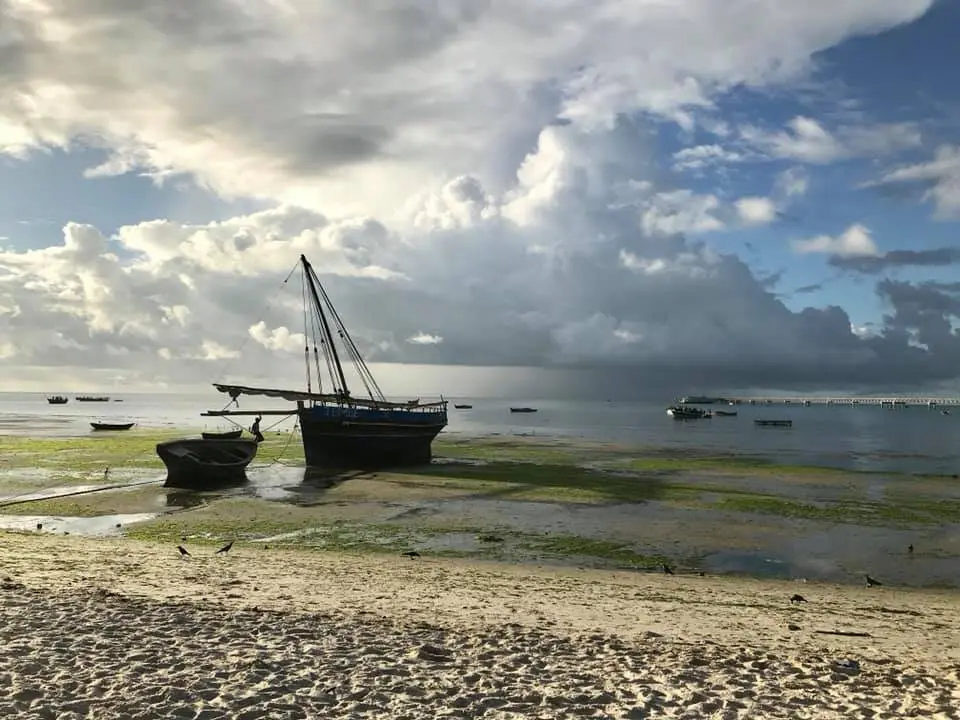
Dar es Salaam, Tanzania
No cruise ships are scheduled in Dar es Salaam today, Monday 16 November 2026. The next is Seven Seas Voyager on Monday 11 January 2027. Over the next 12 months, 2 calls bring about 1,200 passengers.
Ship schedule
Next 2 calls · all times local (East Africa Time)
Showing all 2 upcoming calls
Cruise Ships in Dar es Salaam
Today and the next 7 days · all times local (East Africa Time)
Next 7 days
- Mon16 Nov–No ships0 ships
- Tue17 Nov–No ships0 ships
- Wed18 Nov–No ships0 ships
- Thu19 Nov–No ships0 ships
- Fri20 Nov–No ships0 ships
- Sat21 Nov–No ships0 ships
- Sun22 Nov–No ships0 ships
Thousands of people in port, guests plus crew. Crowd level compared with a typical Dar es Salaam day.
Planning a day in Dar es Salaam?
The crowd calendar shows every ship and how busy the port is, hour by hour, plus the quietest and busiest days for the next 90 days.
Getting to the Dar es Salaam cruise port
Askari Monument / city center → Port of Dar es Salaam (Kurasini)
3 km · 5–10 min by car
Short road hop from the Askari Monument / Posta core to the commercial port on Nelson Mandela Road / Kurasini. Traffic can stretch the journey; passengers usually use taxi, rideshare or a ship-arranged transfer rather than walking through the industrial port.
Typical prices, approximate. Fares change with demand, traffic and time of day.
Typical prices, approximate. Fares change with demand, traffic and time of day.
Driving to the port
Zanzibar ferries and island boats leave from separate passenger terminals, not from the cargo cruise berth. Airport routes not researched (port of call, not homeport).
Eating in Dar es Salaam
- Coffee per item
- TZS 5000–10000
- Casual lunch per person
- TZS 15000–32000
- Restaurant dinner per person
- TZS 25000–65000
- Soft drink per item
- TZS 3000–6000
Mid-range TZS prices from own venue menus. Cards accepted at some hotels and restaurants; cash TZS widely expected.
Where to eat
Msasani Slipway
Waterfront cafes and restaurants on the Msasani Peninsula, useful for lunch with harbor views after a short taxi from the port.
Oysterbay / Ghuba Road
Coastal dining strip (e.g. Salt and nearby cafes) popular with visitors for casual and evening meals.
Posta / city center (Mkwepu–Samora)
Central streets near Askari Monument and St Joseph's Cathedral with local restaurants and cafes close to the museum circuit.
Kariakoo Market area
Dense market district for local snacks and street-side eating; better with a guide given crowds.
About Dar es Salaam
Dar es Salaam is Tanzania's largest city and main Indian Ocean gateway on the east coast. Founded in the 1860s as a Zanzibar sultan's coastal residence and later developed under German and British rule, it remains the commercial and cultural hub even though Dodoma is the designated capital.
The waterfront city mixes Swahili, Indian and Middle Eastern trading traditions with busy markets such as Kariakoo, colonial-era churches and the National Museum. Nearby Msasani Peninsula beaches, Bongoyo Island in the marine reserve, and ferry links toward Zanzibar make it a practical East African cruise stop for city culture, markets and short coastal outings.
- Climate
- Tropical coastal climate for Dar es Salaam, based on the official DAR ES SALAAM INT (Julius Nyerere International Airport) station normals about 11 km from the harbour. Mean monthly temperatures run about 23.8–28.2°C year-round (coolest July–August, warmest January–February). Rainfall is strongly seasonal: long rains roughly March–May (April often the wettest month, about 260 mm) and a shorter wetter spell around October–December; June–September is comparatively dry (about 15–22 mm/month). Expect heat, humidity and brief heavy showers in the wet seasons.
- Time zone
- East Africa Time
- Currency
- Tanzanian Shilling (TZS)