Jeju Port International Passenger Terminal
191 Imhang-ro, Jeju City; opened 2012; berth 81 up to 100,000 t, 360 m, 12 m depth.
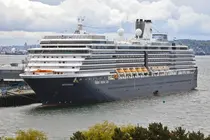
No cruise ships are scheduled in Jeju Island today, Thursday 12 November 2026. The next is ms Westerdam on Monday 16 November. Over the next 12 months, 60 calls bring about 160,000 passengers; the busiest day is Wednesday 1 September 2027, with 2 ships.
Next 10 calls · all times local (Korean Standard Time)
Showing 10 of the next 50 calls
Today and the next 7 days · all times local (Korean Standard Time)
Thousands of people in port, guests plus crew. Crowd level compared with a typical Jeju Island day.
The crowd calendar shows every ship and how busy the port is, hour by hour, plus the quietest and busiest days for the next 90 days.
~20 min by car
About 20 minutes by car.
Typical prices, approximate. Fares change with demand, traffic and time of day.
Typical prices, approximate. Fares change with demand, traffic and time of day.
2 terminals
191 Imhang-ro, Jeju City; opened 2012; berth 81 up to 100,000 t, 360 m, 12 m depth.
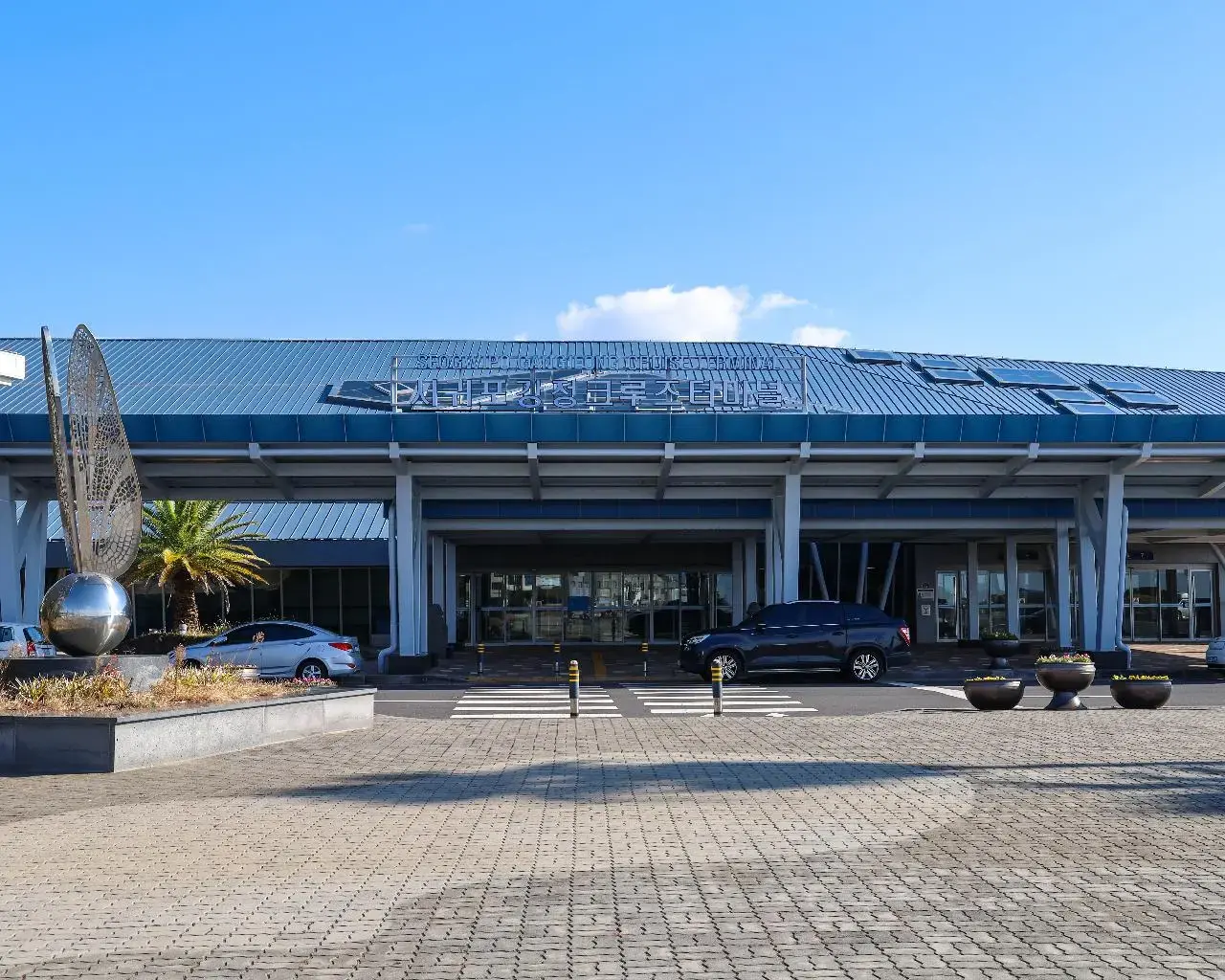
261 Maljil-ro, Seogwipo; opened 2017; two 220,000 t berths (15–17 m depth).
Pick the area first. Typical nightly prices, approximate.
Hotels near the airport and Jeju City.
Near Gangjeong and the south-coast waterfalls.
Resort complex beside Gangjeong.
Seafront near Dongmun Market.
Older city hotels by the harbour.
Prices are approximate.
Restaurants around Dongmun Market.
Restaurants in the resort complex.
Jeju is South Korea's volcanic holiday island, known for Hallasan, the country's highest mountain, the Seongsan Ilchulbong tuff cone, lava tubes, waterfalls and beaches. Its natural sites are UNESCO-listed. It has two cruise ports about 40 km apart, so check which one your ship uses.
Jeju Port International Passenger Terminal, opened in 2012, is on the north coast near the old city centre and Dongmun Market, and has a tourist information centre, currency exchange and a tax refund desk. Seogwipo Gangjeong Cruise Port is on the south coast. Hallasan rises in the centre of the island, and Seongsan Ilchulbong is on the east coast.

UNESCO-listed tuff cone on the east coast.
Volcano and national park in the island's centre.
Traditional market near Jeju Port.