
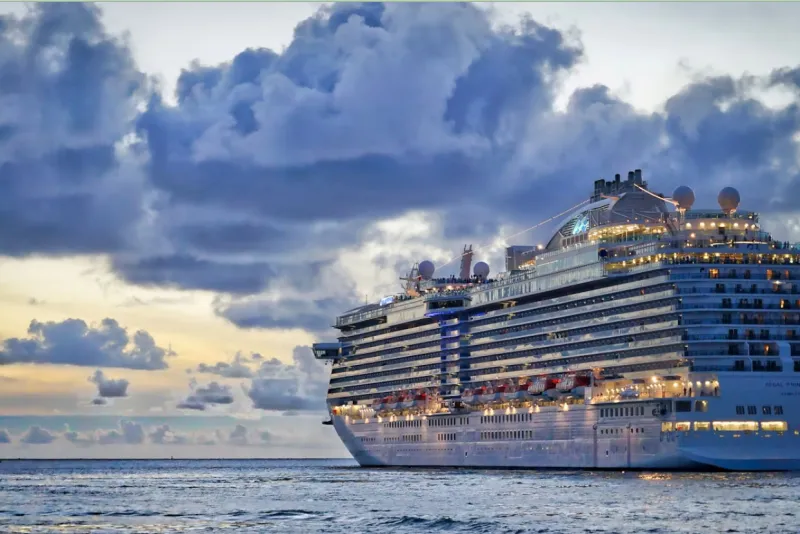
Stepping onto a cruise ship feels like entering a floating playground, packed with food, shows, and nonstop excitement. Everything seems easy, shiny, and designed to make you relax instantly. That comfort can lower your guard faster than you expect.
By 2025, the global cruise market is set to generate a revenue of over $45 billion. Much of this revenue comes as a result of the fact that many first-time cruisers overspend and overindulge. That’s because the money-making traps on cruises are rarely obvious and often feel harmless at first.
Let us talk about five common cruise ship traps and how to sidestep them while still having fun.
#1 Overpaying for Shore Excursions
The average cost of a seven-night cruise is around $1,800 per person. In many cases, cruises will include shore excursions to get you to spend more money.
Shore excursions look tempting the moment you dock, especially after days at sea. The cruise line sells convenience and safety, which feels comforting. Prices are often much higher than similar tours ashore. You might also feel rushed, herded, and stuck to a tight schedule.
Many ports offer excellent local guides and taxis right outside the terminal. With a little research, you can save money and enjoy more freedom. Just keep ship departure times in mind, and plan responsibly.
Another issue is pressure selling onboard before arrival. Crew presentations can make excursions sound limited or exclusive. That urgency pushes quick decisions without comparison. Take a breath and remember you control your time.
Reading reviews before the trip helps avoid disappointment. Your vacation should feel relaxed, not rushed by sales pitches. Smart planning keeps your budget intact and lets you explore ports with genuine curiosity. They also support nearby communities and workers.
#2 Getting Hooked to the Onboard Casino
The onboard casino draws crowds every night with lights, cheers, and easy access. It feels harmless compared to land casinos. You are already relaxed, detached from real money, and surrounded by excitement.
Chips and credits blur the sense of spending. Wins are celebrated loudly, while losses stay quiet. Drinks and late hours lower self-control further. Many people gamble longer than planned, chasing fun rather than profit.
This risk grows when habits shift toward online platforms after the cruise. The FanDuel lawsuit shows how online gambling ecosystems can worsen harm. Allegations describe misleading promotions and bonuses aimed at vulnerable players. Online gambling feels constant, personalized, and hard to escape. That pattern fuels online gambling addiction over time.
As TruLaw notes, online gambling addiction lawsuits remind us that accountability matters when companies profit from compulsion. Cruises should spark joy, not habits that follow you home. If gambling stops feeling like entertainment, it is time to step away immediately and seek support elsewhere.
#3 Impulse Spending in Onboard Shops
Onboard shops feel duty-free and special, which sparks impulse buying. Limited-time displays create excitement and urgency. Jewelry, watches, and souvenirs seem unique while sailing.
Prices can match or exceed those in stores back home. Returns are often complicated once you disembark. Some items lack clear warranties or appraisals. Browsing is fun, but buying deserves caution.
Another trap is emotional spending during relaxed moods. Vacation brain whispers that treats are deserved. That feeling fades quickly after unpacking at home. Setting a spending limit before sailing helps greatly. Taking photos of items can satisfy curiosity without purchase.
Memories usually outshine objects long after the cruise ends. If you truly want something, wait a day and reconsider with clearer judgment. Sales promises fade, but credit card statements remain very real. Ask about return policies carefully before paying at sea. Thoughtful purchases feel better than regret once the vacation glow fades away.
#4 Getting Trapped by Drink Packages
It’s crazy that starting prices for just soda packages on cruises can be anything between $10 and $15. Yet, drink packages sound like a carefree upgrade, especially in warm weather. The math rarely works in your favor. You must drink heavily every day to break even. That pace can drain your energy and enjoyment.
Many packages exclude specialty drinks, bottled water, or premium coffee. You might still pay extra without realizing it. A casual soda or cocktail here and there often costs less.
There is also a subtle pressure to consume more. You may drink simply to justify the package price. That habit can affect sleep, mood, and mornings ashore. Paying per drink keeps choices intentional and balanced. It also helps you notice what you truly enjoy. Freedom often feels better than unlimited promises at sea.
Consider your usual habits honestly before committing money up front. Think about pacing and budget, because enjoyment lasts longer without excess pressure. Your body appreciates moderation during sunny days packed with walking and excursions.
#5 Paying Too Much for Connectivity
Internet access at sea often shocks people with its price. Cruise wifi packages can feel slow and unreliable. Roaming charges spike quickly if phones connect automatically. Many travelers forget to switch settings before sailing. A few notifications can trigger large bills later. Digital detox moments can actually feel refreshing onboard.
Planning ahead saves stress and money. Download maps, books, and playlists beforehand. Use airplane mode and connect only when necessary.
Some ports offer free cafes or terminals with service. Checking messages once a day is usually enough. Being present with ocean views beats endless scrolling. You will return home with clearer memories and fewer billing surprises. Let the ship be a place where time slows, and conversations deepen naturally.
Photos mean more when you remember moments, not constant notifications. Boundaries with devices help vacations feel intentional, calming, and surprisingly restorative for your mind, body, and overall travel experience long term.
FAQs
How common are bed bugs on cruise ships?
Bed bugs on cruise ships are relatively uncommon but still possible. Cruise lines follow strict cleaning and inspection protocols. High passenger turnover increases exposure risk. Bed bugs can be brought aboard in luggage. Incidents are usually isolated, not widespread. Reporting issues early helps crews respond quickly. Most cruises remain bed bug-free.
What is the most common injury on a cruise ship?
The most common cruise ship injury is slipping and falling. Wet decks near pools increase accident risk. Stairs and uneven surfaces also cause falls. These injuries often involve sprains or fractures. Wearing proper footwear reduces risk. Paying attention to warning signs helps prevent accidents. Most injuries are minor and treatable onboard.
What is the most common illness on a cruise ship?
The most common illness on cruise ships is gastrointestinal infection. Norovirus outbreaks receive the most attention. Close living quarters allow rapid spread. Symptoms include nausea, vomiting, and diarrhea. Cruise lines emphasize hand hygiene to reduce risk. Prompt isolation helps control outbreaks. Most passengers recover quickly with basic medical care.
Cruises are about ease, joy, and discovery, not hidden stress. Avoiding these traps keeps experiences light and memorable. Trust your instincts, pause before spending, and protect your habits. You deserve a vacation that ends with smiles, not regrets afterward, too.